Common Digital Marketing Mistakes Indian SMEs Make (And How To Fix Them)
19/02/2026
Start Listening
Common Digital Marketing Mistakes Indian SMEs Make (And How To Fix Them)
Let’s be honest. Most Indian SMEs are trying to do digital marketing. They are running ads. Posting on Instagram. Boosting reels. Maybe even publishing a blog or two.
But here’s the uncomfortable truth: effort doesn’t always equal results.
Across industries — real estate, education, manufacturing, D2C, SaaS — we see the same pattern. Budgets are spent. Leads fluctuate. ROI is unclear. And frustration builds.

These are not small issues. These are digital marketing mistakes SMEs repeatedly make — and they quietly slow growth.
In this blog, we’ll break down the most common digital marketing mistakes SMEs in India commit — and more importantly, how to fix them before they start draining your budget.
If you’re an SME owner or marketing head serious about scaling sustainably, then Bestow can help you build predictable marketing systems.
Connect with us
Why Digital Marketing Fails for Many Indian SMEs
Digital marketing doesn’t fail. Strategy does.
Most failures in SME marketing in India happen because businesses jump into execution without building a foundation. Let’s look at why that happens.
1. Lack of Clear Marketing Goals
Many SMEs start with: “Let’s increase sales.”
That’s not a strategy. That’s a wish.
Are you focusing on brand awareness? Lead generation? Retention? Market expansion? Without clear goals, campaigns become random. This leads to online marketing errors that waste both time and money.
2. Short-Term Thinking
SEO takes time. Brand building takes consistency.
But many SMEs expect results in 30 days. They stop campaigns early. Switch agencies too often. Or pivot strategy every quarter. That inconsistency kills compounding growth.
3. Budget Allocation Without Data
Money is spent — but rarely measured properly.
Overspending on ads without funnel clarity. Underspending on content. Ignoring branding. This is where no analytics becomes dangerous. Without data, marketing becomes guessing.
10 Digital Marketing Mistakes Indian SMEs Make
These aren’t beginner errors. Even SMEs doing ₹5–50 crore revenue repeat these patterns. If you recognise yourself in any of these, don’t panic — just fix them.
1. No Clear Target Audience Definition
Trying to sell to “everyone” means resonating with no one.
When you don’t define your Ideal Customer Profile, your messaging becomes generic. And generic messaging converts poorly.
How to Fix it:Define your ICP clearly — industry, location, income, buying intent. Study existing customers. Survey them. Analyse patterns.

2. Ignoring Local SEO
For Indian SMEs, local visibility is gold.
Yet many businesses ignore Google Business optimisation, location pages, or consistent NAP details.This leads to a poor SEO strategy that limits discoverability. Read this guide to learn about SEO mistakes that you must avoid to boost organic traffic.
How to Fix it:Optimise your Google profile. Collect reviews regularly. Build location-focused pages.
A strong local SEO foundation reduces dependency on ads.
3. Treating Social Media Like a Poster Board
“20% off.”
“New product launched.”
“Call now.”
If that’s your entire social media strategy, engagement will drop.This leads to low-quality content perception.
How to Fix it:Use storytelling. Educate. Show behind-the-scenes. Build authority.
Think value first, promotion later.
4. Running Ads Without a Funnel Strategy
Many SMEs run ads directly to cold audiences, saying “Buy Now.”
That’s rarely effective.
This is classic wrong ad targeting combined with no nurturing process.
To understand how organic and paid efforts should balance, read this guide on organic vs paid media.
Build a 3-stage funnel:
Awareness → Consideration → Conversion
Install pixels. Retarget visitors. Nurture leads through email or remarketing.
5. No Conversion Optimisation
You finally get traffic — but the website loads slowly. CTAs are unclear. Forms are too long. That’s how traffic leaks.
Without tracking and CRO improvements, this becomes another example of no analytics guiding decisions.
How to Fix it:Improve site speed. Simplify forms. Add strong CTAs.
Even small tweaks can increase conversions significantly.
6. Copying Competitors Blindly
“If they’re running that ad, we should too.”
This mindset kills differentiation.
Blind imitation leads to repetitive campaigns and online marketing errors that dilute brand positioning.
How to Fix it:Identify your unique value proposition. Why should someone choose you? Highlight that clearly.
7. Inconsistent Branding
Different fonts.Different tones.Different messaging across platforms.
Brand inconsistency confuses audiences and weakens trust.
How to Fix it:Create brand guidelines. Define tone. Maintain visual consistency.
Strong branding improves recall and reduces customer acquisition cost over time.
8. Not Leveraging Content Marketing
Many SMEs underestimate content.
No blogs. No SEO. No authority-building. That’s a huge opportunity lost in SME marketing in India.
Content helps you show expertise. It also positions you for AI-driven search visibility.
If you’re wondering whether it’s too late for digital marketing, this perspective might help.
How to Fix it:Build pillar content. Answer FAQs. Optimize for intent.
Avoid low-quality content — depth matters.
9. No Tracking & Analytics Setup
This might be the most dangerous of all.
If you don’t know your cost per lead, customer acquisition cost, or conversion rate, you’re flying blind.
This is where no analytics destroys scalability.
How to Fix it:Set up proper analytics tracking.
Review KPIs weekly.
Let data guide decisions — not emotions.
10. Depending Only on One Channel
Only Instagram.
Only Meta Ads.
Only referrals.
That’s risky.
Channel dependency limits growth and creates vulnerability.
How to Fix it:Diversify.
Combine SEO, paid ads, email marketing, and content.
Balanced systems reduce risk and improve stability.
How Indian SMEs Can Build a Sustainable Digital Marketing System
Fixing mistakes is reactive. Building systems is proactive. Here’s how to think long-term.
Build a Long-Term Strategy (Not Campaign Thinking)
Stop planning month-to-month.
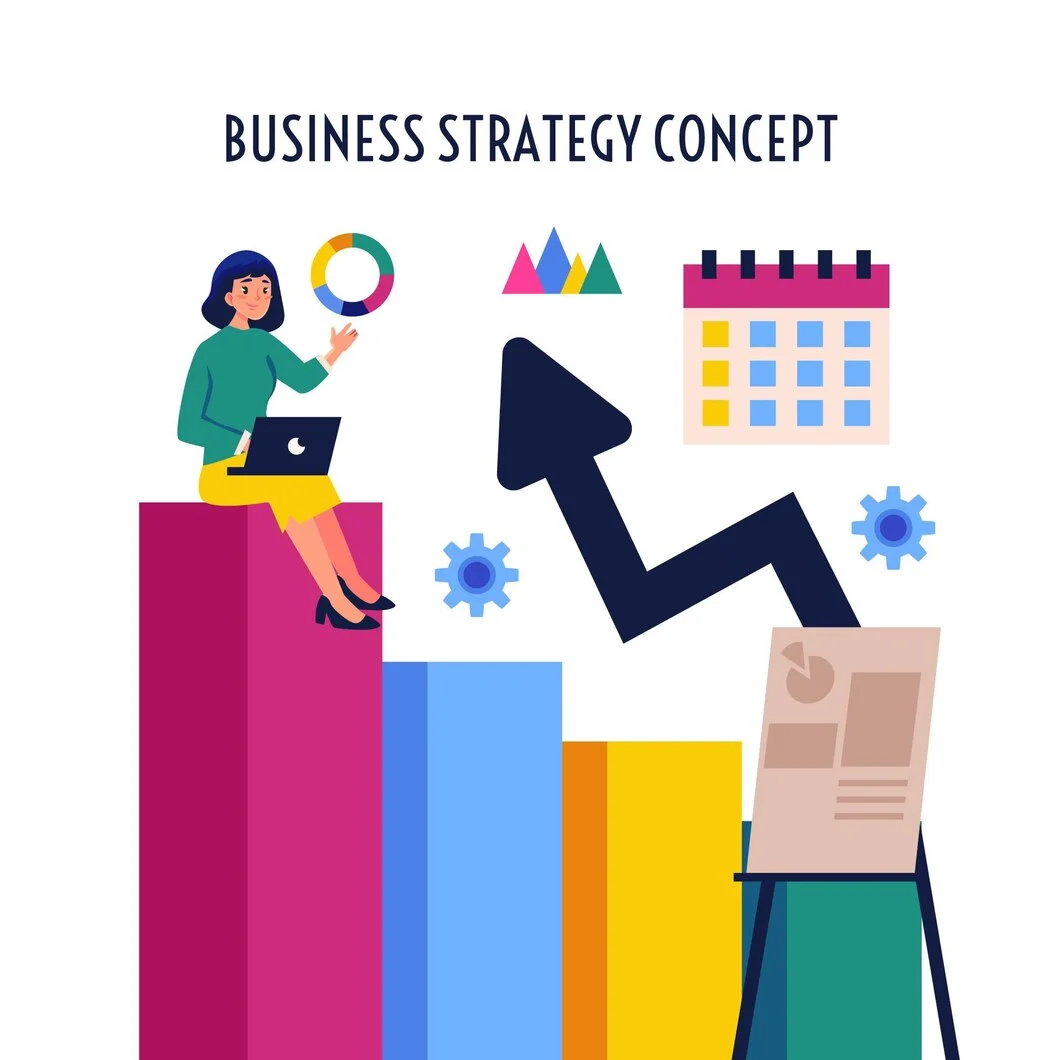
Create a 6–12 month roadmap. Define quarterly goals. Consistency beats randomness in SME marketing.
Combine Performance + Branding
Performance ads drive short-term revenue.
Branding drives long-term trust.
Ignoring either creates an imbalance. Balanced marketing prevents digital marketing mistakes that SMEs commonly fall into.
Focus on Data-Driven Decisions
Data removes guesswork.
Track CAC, ROAS, LTV.
Avoid wrong ad targeting through audience insights.
Strengthen SEO instead of relying on a poor SEO strategy.
When decisions are data-backed, growth becomes predictable.
When Should SMEs Consider Hiring an Agency like Bestow?
If your ROI has plateaued.
If internal teams lack expertise.
If growth feels inconsistent.
If automation is missing.
That’s usually the moment when strategic support makes sense. At Bestow, we help businesses fix these problems and prevent failures due to repeated online marketing errors, inconsistent execution, and missing data systems.
When you shift from random tactics to structured systems, growth stops being unpredictable.
Because scaling an SME in 2026 isn’t just about spending more, but about thinking smarter.
If you’re ready to move from guesswork to growth, connect with Bestow and let’s build a marketing engine for your business that works consistently — not occasionally.
connect with Bestow
FAQs
The biggest digital marketing mistakes SMEs make include unclear targeting, poor SEO strategy, wrong ad targeting, low-quality content, and operating with no analytics to track performance.
Many Indian SMEs fail at SEO because they expect quick results, ignore keyword intent, publish low-quality content, and follow a poor SEO strategy without consistency or technical optimisation.
Ideally, SMEs should balance both—paid ads can generate quick leads, while organic marketing builds long-term authority and reduces dependency on ad spend over time.
Analytics is critical because, without tracking data like cost per lead, conversion rate, and ROI, SMEs cannot identify online marketing errors or optimise campaigns effectively.
Yes, many digital marketing mistakes SMEs make are strategy-related rather than budget-related, and improving targeting, content quality, and analytics setup can significantly boost results without increasing spend.
SMEs should consider hiring a digital marketing agency when growth stagnates, internal expertise is limited, or they need structured systems to scale marketing efforts efficiently.
Categories
Recent Blogs
Send us a message
We'd love to hear from you
Let's build a plateform that works for you busines and the advertisers who trust it.
Talk to Our Expert