Balancing AI Efficiency with the Essential ‘Human Touch’ in Branding
23/12/2025
Start Listening
Balancing AI Efficiency with the Essential ‘Human Touch’ in Branding
AI has quietly become a permanent part of branding. From content creation to analytics, brands today can move faster, scale wider, and optimise better than ever before. But alongside this efficiency comes a growing concern—many brands are starting to sound the same.
The challenge isn’t whether to use AI in branding. It’s how to use it without losing authenticity, emotion, and trust. Because while machines can generate content, only humans can create meaning. The real opportunity lies in balance—letting AI handle efficiency while humans protect the soul of the brand.
If you’re navigating this balance and want branding that feels both modern and human, then Bestow can help you balance the creativity of humans with the efficiency of AI.
Book a consultation call
Why AI Has Become Non-Negotiable in Modern Branding
AI isn’t a trend anymore—it’s infrastructure.
Brands didn’t adopt AI because it was exciting; they adopted it because it works. When used correctly, AI becomes a powerful engine behind modern branding operations.

Speed, Scale, and Consistency at a Level Humans Can’t Match
AI enables content production at a scale that would take human teams weeks or months to achieve. From social posts to ad copies, it ensures consistent output without burning out creative teams.
It also allows real-time personalisation and campaign optimisation, helping brands respond instantly to audience behaviour instead of reacting weeks later.
With AI, brands gain access to deep audience insights, behaviour patterns, and predictive analytics. Decisions are no longer based purely on instinct but backed by data.
This allows faster responses to market signals—adjusting messaging, timing, and formats before opportunities are lost.
Where Most Brands First Adopt AI (and Why)
Most brands begin their AI journey with content generation, social media scheduling, and performance tracking. These areas offer immediate ROI and clear efficiency gains.
It’s also where AI for branding feels safest—supporting execution rather than defining the brand itself.
The Risk of Over-Automating Your Brand Voice
Efficiency without empathy creates forgettable brands.
While AI branding offers speed, overuse can quietly strip a brand of personality. The danger isn’t AI itself—it’s relying on it without human oversight.
1. When Brands Start Sounding the Same
Template fatigue is real. AI-generated branding often pulls from the same patterns, phrases, and structures, leading to algorithm-driven sameness across industries.
When everyone uses similar prompts, differentiation disappears.
2. Loss of Emotional Nuance and Context
AI struggles with humour, cultural sensitivity, and timing. What feels appropriate in one moment or market may fall flat in another.
This is why tone cannot always be “trained”—it must be felt, interpreted, and adjusted by humans.

3. Why Audiences Can Instantly Sense Inauthenticity
Consumers, especially Gen Z and millennials, quickly detect over-polished, AI-heavy messaging. Trust erodes when communication feels manufactured. So, it becomes important to develop authentic brand stories that resonate with Gen Z’s and millennials.
An authentic brand story requires intention, not automation.
What the ‘Human Touch’ Really Means in Branding
Human touch is not anti-tech—it’s pro-connection.
The human element isn’t about rejecting AI. It’s about anchoring technology in real values, experiences, and judgment.
1. Brand Voice, Values, and Point of View
Strong brands don’t sound neutral—they take clear stances. Humans define what a brand stands for, while AI supports how that message is delivered.
This clarity is the foundation of how to create a brand story that actually resonates.
2. Emotional Storytelling and Lived Experience
Stories rooted in real struggles, wins, and failures outperform generic narratives every time. AI often fails at emotional storytelling, this is where human expertise and experience can help.
Because writing a brand story is less about formats and more about truth.
3. Intuition, Judgment, and Creative Risk
Great branding often involves breaking patterns, not following them. Humans know when to take creative risks that data alone cannot justify.
AI assists, but intuition leads.
Where AI Works Best—and Where Humans Must Lead
The smartest brands clearly divide responsibilities.
Balance comes from knowing who should do what—and sticking to it.
1. AI-Led: Repetitive, Data-Heavy, and Time-Consuming Tasks
AI excels at drafting, summarising, repurposing content, and handling analytics, reporting, and optimisation.
These tasks free up human teams to focus on higher-level thinking.
2. Human-Led: Strategy, Story, and Brand Direction
Brand positioning, messaging frameworks, and narrative arcs require context and judgment. These decisions shape perception and cannot be outsourced to machines.
This is where AI and human creativity must work together—not compete.
3. Collaborative Workflows That Actually Scale Quality
The best workflows involve human-prompted AI, not AI-prompted humans. Humans guide intent; AI accelerates execution.
Review, refinement, and contextual editing ensure quality doesn’t drop as scale increases.
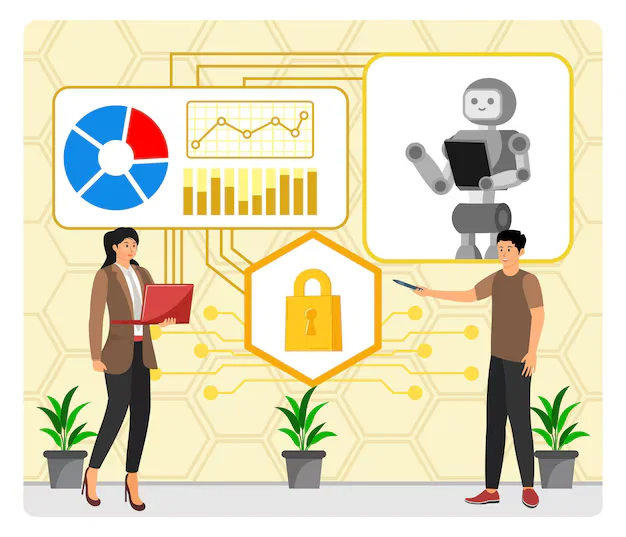
How to Build a Human-First, AI-Powered Brand System
Balance isn’t accidental—it’s designed.
Brands that succeed with AI in branding are intentional about structure, not reactive to tools.
1. Define Your Brand Voice Before You Automate Anything
Clear voice guidelines, tone rules, and non-negotiables must come first. AI should be trained on brand context—not just keywords.
This clarity is essential when learning how to create brand story frameworks that last.
2. Use AI as a Co-Creator, Not a Replacement
AI works best during ideation, while humans make final judgment calls. Personality is layered after generation—not assumed.
This approach prevents AI-generated branding from feeling hollow.
3. Add Human Review at Every Customer Touchpoint
Websites, emails, social posts, and ads all require emotional consistency. Human review ensures messaging feels aligned across channels.
Don’t Choose Between AI and Humanity—Design for Both
AI handles efficiency. Humans create connections. Brands that understand this won’t struggle with relevance—they’ll lead with it.
The future of AI branding isn’t automation alone; it’s collaboration. When technology supports creativity instead of replacing it, brands build trust, loyalty, and long-term growth.
If you’re questioning whether automation is diluting creativity in marketing, then you must understand that these tools don’t replace thinking, people do.
We, at Bestow, help you build branding systems that leverage AI without losing your voice. We design human-first, AI-powered brand strategies that scale—with soul, clarity, and intent.
Connect with us to learn more!
FAQs
Brands can let AI handle speed, data, and repetitive tasks while humans lead strategy, storytelling, and emotional nuance to ensure the brand stays authentic.
The human touch brings empathy, judgment, and lived experience—elements AI cannot replicate, but audiences instantly recognise and trust.
AI supports modern branding by improving efficiency through content generation, personalisation, analytics, and performance optimisation at scale.
No—AI can assist with structure and ideas, but human storytelling is driven by real experiences, emotions, and perspectives that machines can’t replicate.
When used thoughtfully, AI improves relevance and consistency, but overuse can make brands feel generic and reduce perceived authenticity.
Brand positioning, voice definition, storytelling, creative direction, and ethical judgment should always be guided by humans.
AI tools speed up content creation, automate reporting, analyse audience behaviour, and help brands respond faster to market trends.
Over-reliance can lead to repetitive messaging, loss of emotional depth, and a brand voice that feels automated or disconnected.
By grounding messaging in real stories, values, and human review, brands can use AI without losing emotional resonance.
A hybrid branding approach combines AI-driven efficiency with human-led strategy and creativity to build scalable yet authentic brands.
Categories
Recent Blogs
Send us a message
We'd love to hear from you
Let's build a plateform that works for you busines and the advertisers who trust it.
Talk to Our Expert