The Spotify Logo Trend Isn’t Just Aesthetic; It’s a Marketing Lesson in Identity
21/05/2026
Start Listening
The Spotify Logo Trend Isn’t Just Aesthetic; It’s a Marketing Lesson in Identity
Every few months, the internet discovers a new design obsession. But very few trends manage to go beyond aesthetics and become a genuine marketing lesson. The recent Spotify logo trend did exactly that.
What started as a temporary disco ball redesign for Spotify’s 20th anniversary quickly turned into a viral internet movement called 'Discomorphism'. Suddenly, timelines were filled with glittering, bedazzled app icons inspired by Spotify’s celebratory logo. Brands, designers, and users joined the trend instantly.
But beneath the shiny visuals lies something much bigger: a lesson about identity, emotional connection, and how modern branding works online.
Why the Spotify Logo Trend Took Over the Internet
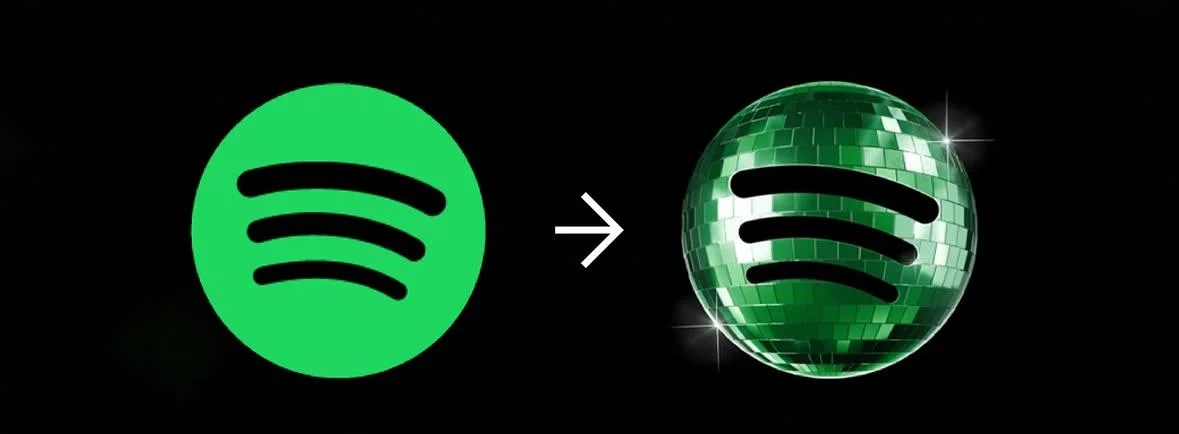
Spotify temporarily replaced its iconic green logo with a shimmering disco ball version to celebrate its 20th anniversary campaign, “Spotify 20: Your Party of the Year(s)".
The updated icon kept the familiar soundwave lines but added reflective metallic textures and party-inspired visuals. It immediately stood out on mobile screens and social feeds.
Why People Couldn’t Stop Talking About It
The internet reacted almost instantly. Some users loved the nostalgic and celebratory feel, while others found it chaotic or visually confusing. But regardless of opinion, people were talking about it everywhere.
Searches for terms like the following:
“Spotify new logo”
“Spotify disco ball icon”
“Spotify logo trend”
started trending across platforms.
And that’s the first major marketing lesson:
Attention today is driven by participation, not perfection.
Spotify didn’t just launch a logo. It launched a conversation.
The Rise of “Discomorphism”
Soon after the redesign appeared, creators started applying the same disco-ball treatment to other popular app icons and brand logos.
This viral movement became known as Discomorphism.
Brands That Joined the Trend
Several brands and internet communities participated in the fun trend, including:
Spotify
Duolingo India
Chupa Chups India
Krispy Kreme
OpenAI’s ChatGPT
Grammarly
Canva
Notion
IKEA
Pizza Hut
Nutella
Domino's Pizza
Babybel
Burger King
Mentos
KitKat
BPL
Even when brands themselves didn’t participate officially, internet users created disco-ball versions for them anyway.
That’s the power of modern internet culture: audiences no longer just consume branding; they remix it.
Why This Worked So Well
The success of the Spotify logo trend wasn’t random. It worked because Spotify already had something most brands struggle to build: emotional association.
For millions of people, Spotify is tied to:
memories
playlists
breakups
road trips
celebrations
daily routines
The disco ball redesign amplified those emotions instead of replacing them.
"Brands grow stronger when they evolve without losing emotional memory."
- Pranali Buch
Chief Operating Officer at Bestow
- Pranali Buch
Chief Operating Officer at Bestow
Spotify Didn’t Change Its Identity; It Expanded It
One of the smartest parts of this campaign was that Spotify never abandoned its recognisable core identity.
The shape remained familiar.
The sound wave symbol stayed intact.
The green association was still mentally connected to the brand.
This balance between familiarity and experimentation is becoming one of the biggest branding trends that 2026 will continue to embrace.
Consumers want brands to evolve visually without losing recognisability.
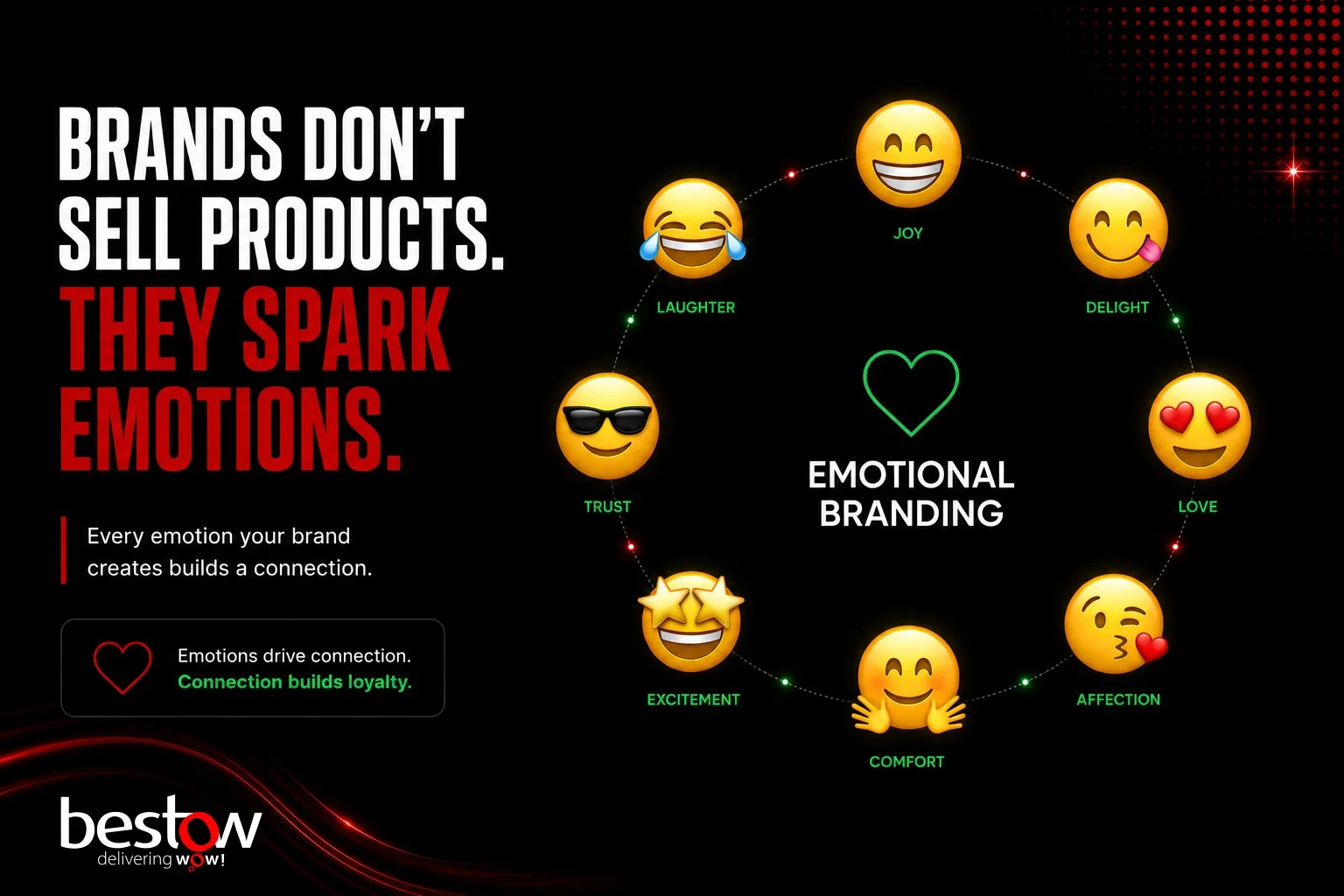
Emotional Branding Is Becoming More Visual
For years, marketers focused heavily on storytelling through captions, videos, and campaigns. But today, visual identity itself has become storytelling.
This is where emotional branding becomes important.
A Logo Is No Longer Just a Logo.
Modern audiences interact with brands mostly through screens:
app icons
profile pictures
thumbnails
notifications
Instagram posts
A small visual change can now create massive emotional reactions online.
Spotify’s disco ball icon triggered the following:
nostalgia
curiosity
celebration
internet participation
And all of that happened before users even opened the app.
That’s powerful branding.
What Brands Can Learn From This Trend
The biggest takeaway from the Spotify campaign is simple:
Temporary branding can create permanent recall.
Many brands are now experimenting with:
seasonal logo redesigns
event-based identity shifts
meme participation
limited-time visual campaigns
Why?
Because static branding no longer dominates social media culture.
Modern Branding Needs Movement
One of the emerging branding trends for 2026 is flexible identity systems.
Today’s strongest brands know how to:
stay recognizable
adapt quickly
participate in trends
create shareable visuals
encourage user-generated content
Spotify achieved all five with one temporary logo.
The Internet Rewards Brands That Feel Human
Another reason this trend exploded is that it felt playful.
People are tired of overly corporate branding. They connect more with brands that feel culturally aware and emotionally expressive.
Internet Culture Loves Participation
The moment users started redesigning icons themselves, the trend stopped being a campaign and became a cultural moment.
when audiences voluntarily engage with your identity.
They need interactive experiences that people want to recreate, remix, and share.
When a Campaign Becomes a Trend, Brands Lose Control
Users began recreating the disco-ball aesthetic across unrelated brands, memes, and personal edits.
The campaign stopped feeling exclusive to Spotify and became part of a broader content wave.
This highlights the downside of viral branding , once the internet takes ownership, brands no longer fully control the narrative.
Conclusion: The Future of Branding Is Cultural, Emotional, and Flexible
The Spotify logo trend may have started as a temporary anniversary celebration, but it became something much bigger.
It proved that:
Branding is no longer static
Visual identity can spark cultural movements
Emotional connection drives engagement
Audiences want brands to participate in internet culture
Most importantly, it showed that even a small visual update can create a massive digital impact when it connects emotionally with people.
As we move deeper into the era of branding trends 2026, brands that succeed will be the ones that combine creativity, flexibility, and emotional relevance without losing their core identity.
This is exactly the kind of strategic thinking that separates brands that trend from brands that last.
At Bestow, we've helped brands identify their emotional anchors first, then build visual campaigns, social identities, and flexible branding systems around them. Because without that foundation, even the flashiest redesign falls flat.
Ready to build a brand people emotionally connect with?
Partner with Bestow to create branding strategies, social campaigns, and visual identities designed for the modern internet.
Book a Free Consultation
Partner with Bestow to create branding strategies, social campaigns, and visual identities designed for the modern internet.
FAQs
The Spotify logo trend refers to Spotify’s temporary disco-ball logo redesign for its 20th anniversary, which inspired users and brands to create glitter-style versions of other app icons online.
Discomorphism is a viral design trend where logos and app icons are transformed using reflective, glittering disco-ball textures while maintaining their original shape and identity.
Spotify changed its logo temporarily to celebrate its 20th anniversary campaign, “Spotify 20: Your Party of the Year(s),” using a disco-ball aesthetic to represent music, celebration, and nostalgia.
The campaign succeeded because Spotify already had strong emotional connections with users through music, memories, and personal experiences. The redesign amplified those feelings visually.
Brands can learn the importance of flexible identity systems, cultural participation, and creating emotionally engaging visuals that encourage user interaction and sharing.
Categories
Recent Blogs
Send us a message
We'd love to hear from you
Let's build a plateform that works for you busines and the advertisers who trust it.
Talk to Our Expert